
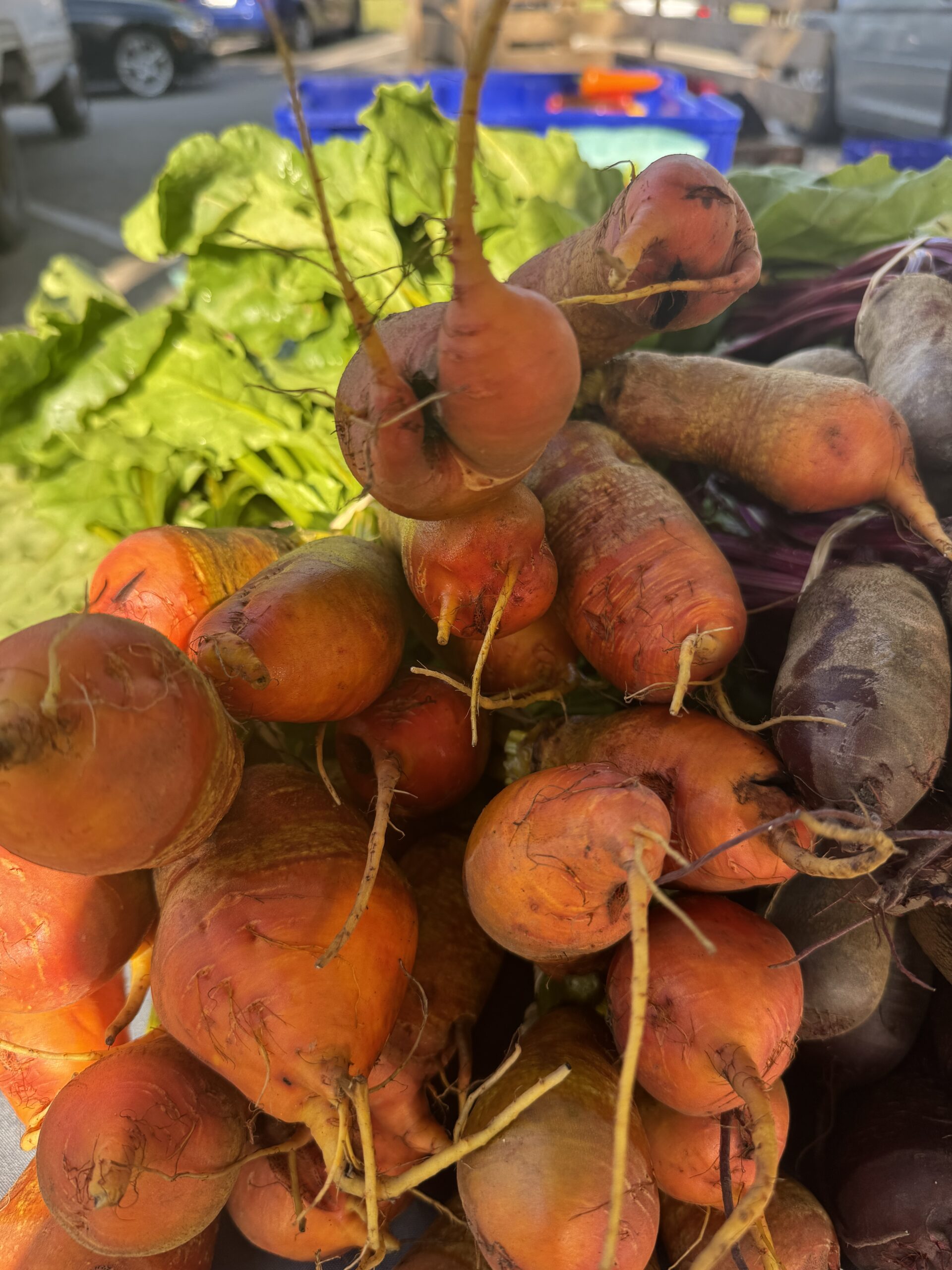
Before I dive in, there is no judgement here. I get that life is busy, things are chaotic: work, kids, stress, school, etc. it all piles up. There are seasons and moments in our lives where convenience gets us through- and I want to state that those short-term busy periods or the occasional Friday-night frozen pizza are not what I’m referring to below.
What I am talking about is how modern living and convenience in the kitchen comes at a cost, and now more than ever it is SO important that we take a stand with what we put into our mouths to protect our health. Each day we choose to regularly consume more processed, cheaply made foods containing unrecognizable ingredients over cooking ourselves a real meal, we increase our risk of mortality and raise the likelihood of developing over 32 different health problems. A recent study conducted in 2024 that looked at Ultra-Processed Foods (UFPS) found “Greater exposure to ultra-processed food was associated with a higher risk of adverse health outcomes, especially cardiometabolic, common [health] mental disorder[s], and mortality outcomes” (Lane et al., 2024). I also recently read that over 50% of all food American’s eat on a daily basis is ultra-processed. No wonder we spend so much on healthcare, yet have one of the highest rates of chronic diseases.
Food science is a real thing- where people are paid to engineer the best tasting, best looking food that has a “bliss point” which, when reached, causes you to crave that food. This leads to neuroadaptations in dopamine reward pathways, essentially leading to overconsumption and needing more to create the same “feel good” moment you get in those first few bites. The combination of salt, sugar and fat is used as a means to create hyper palatable foods, triggering parts of the brain that make those foods hard to resist and extremely appealing. Whether or not food is inherently addictive is still widely up for debate, but one thing remains true: food can affect how you feel, and each thing we eat influences our DNA expression through something called Epigenetics- essentially turning on or off genes that promote disease vs genes that promote health and longevity.
Basically: how you eat affects how you feel, think, and how likely it is that you will or will not develop a chronic, preventable, disease.
So What is The Answer?
The first step is avoiding Ultra-Processed foods and distinguishing them from processed foods, which at this point just about everything is processed a little bit to get it from its original form into a bottle, package or can and onto your table. The only non-processed foods are real, whole foods (which we should be consuming daily, above anything else).
Here’s a few examples of Ultra-Processed Foods:
- Energy and sports drinks
- Soda and carbonated soft drinks – diet or regular
- Fatty, sweet, savory or salty packaged snacks.
- Not all snacks should be demonized- but when picking something to munch on, read the ingredient list first. Avoid any food dies, preservatives, additives, vegetable oils (healthy oils include: avocado, olive oil, and coconut oil, avoid the rest).
- Protein shakes, protein bars, meal replacement shakes
- Canned soups
- Packaged bars, crackers, bread, buns, fish, veggies, meat, etc.
- Margarine (opt for butter)
- Any juice that is not cold pressed/fresh squeezed- look on the back of the nutrition label, is there added sugar? Then it is not real juice!
- Ice creams and frozen desserts
What should you eat instead?
The second step is opting for whole foods or minimally processed foods. When grocery shopping, avoid the middle of the store where all packaged foods usually are, and try to shop on the outside perimeter- where you’ll find fruits, vegetables, meats, fish, dairy etc.
You might be thinking to yourself “I can’t give up everything, I love x, y, or z too much” (for me, this is Diet Coke and Culver’s, by the way). Take things one step at a time, if you’re someone who is regularly consuming ultra processed foods on a daily basis then it will be essential to make a plan and switch things out slowly but surely. Your health matters, but so does your sanity.
What I did when I first started was looked at all chips, crackers and pantry-foods I purchased. I began switching to chips that were cooked in olive, coconut, or avocado oil. Then I switched to crackers cooked in those oils- because vegetable oil (canola, sunflower, etc.) can contribute to oxidative stress and inflammation compared to those listed above. Then I switched to chips and crackers cooked in those oils that were organic, so the flour was healthier for me as well. Conventional flour is sprayed with Glyphosate (an herbicide), which has been classified as “probably carcinogenic to humans” by the International Agency for Research on Cancer (IARC)- so it is wise to avoid conventional flour, breads, etc. After snacks you could switch your sodas to things like Spindrifts, Olipops, bubbly waters etc. – there are so many options that are better for you than what is cheap and conventionally marketed.
Once you get through snacks, sodas, etc. moving on to all canned items and dressings, sauces, etc. is a good idea. Again- think of avoiding food items that contain words you do not understand or cannot pronounce. If unsure, start doing some investigating and look these up. The nutritional label will become your best friend, because an ingredient list is the best place to start. Avoid added sugars, excessive sodium, vegetable oils, preservatives, natural flavors, food coloring, gums and stabilizers. There ARE good options out there- but you have to do a little digging.
One by one, switching for options with fewer, whole food ingredients will have you feeling more energized and will decrease the toxic burden on your body to filter out all the junk you’ve been consuming.
Eventually- you might even realize that a lot of things we buy can be made at home, easily, with a few ingredients and at a cheaper price, too.
From doing this switch myself, so far I’ve learned how to make:
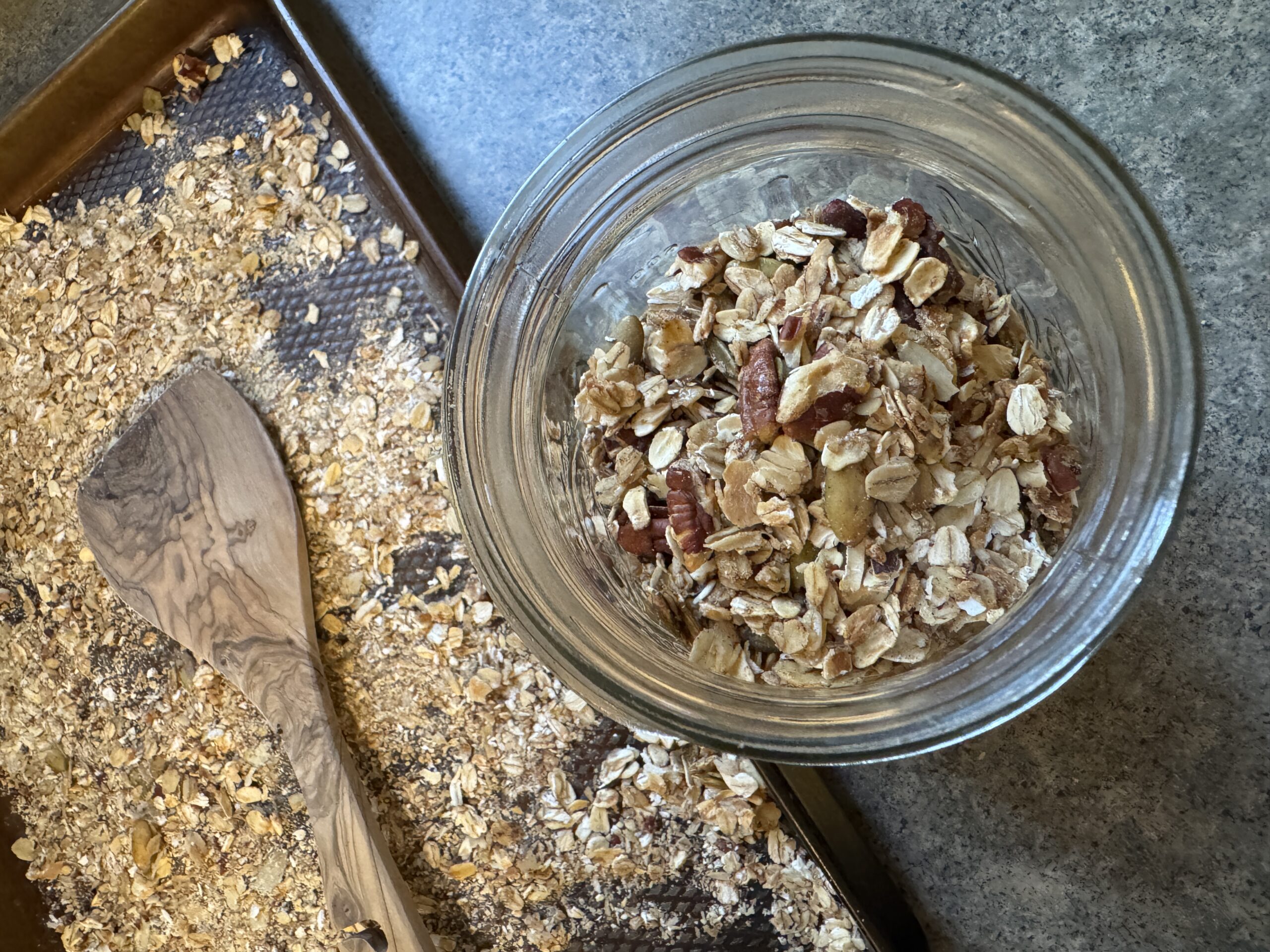
Granola: (below is my maple, olive oil roasted pecan and pumpkin seed cinnamon granola)
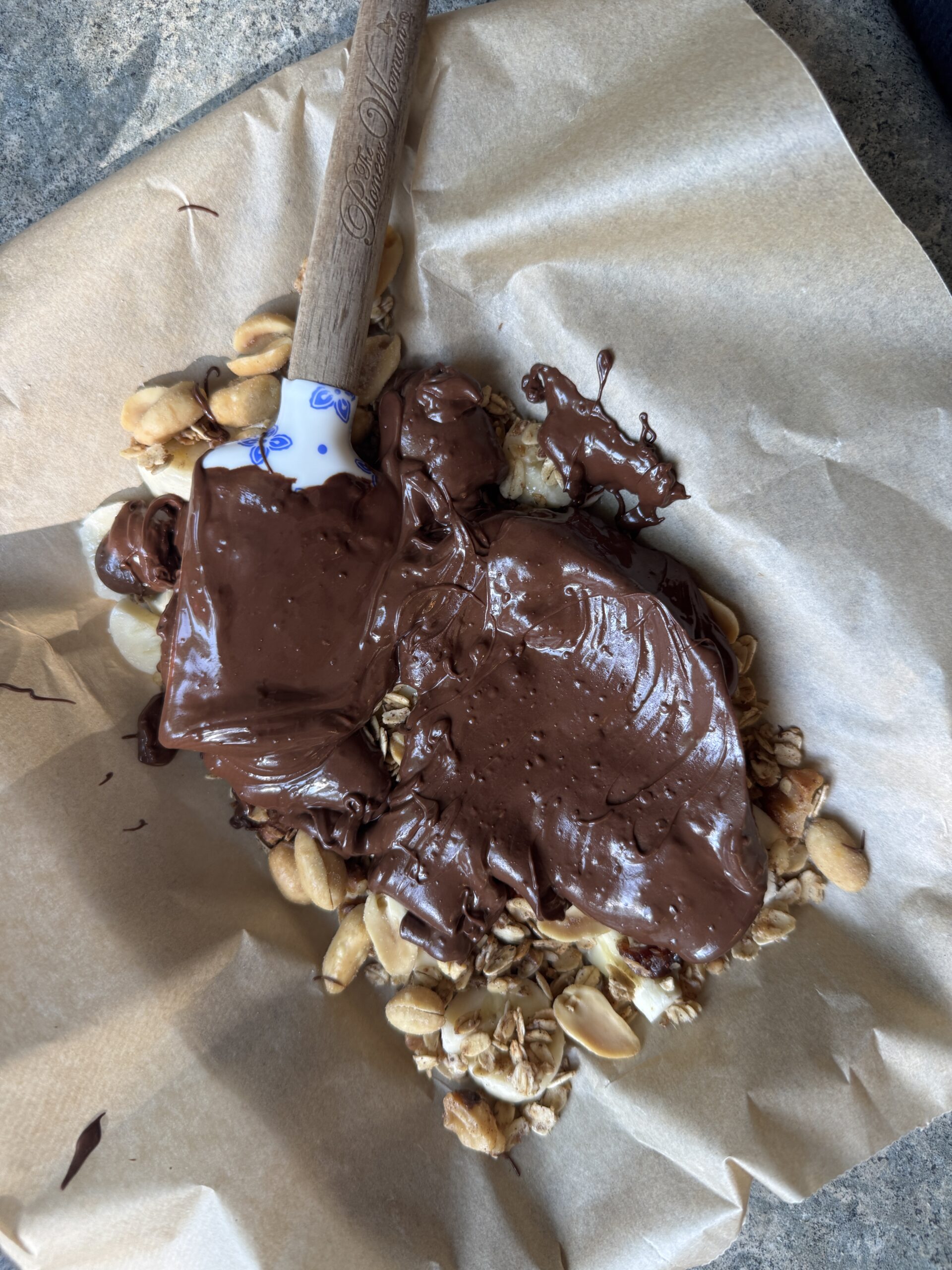
Chocolate Bark: (below is a peanut, banana, granola chocolate bark with a dark/milk chocolate topping):
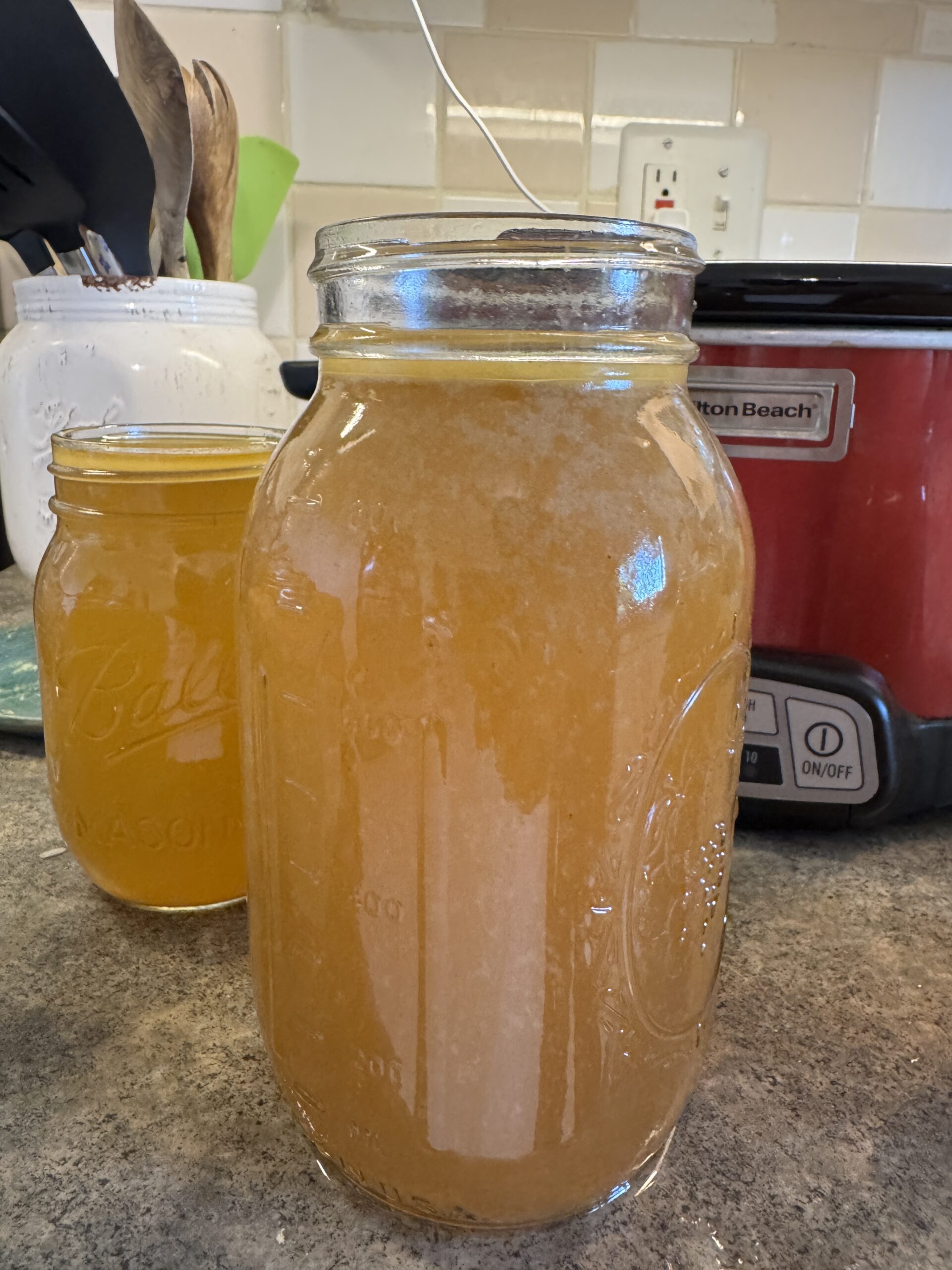
Bone Broth: (below is probably my favorite thing I’ve learned how to make because it is SO much cheaper than buying Organic Bone Broth and there’s so much more collagen/gelatin found in homemade broth!)
To Conclude:
Yes, this is a lot! But your health matters, and you deserve to know the truth so you can make a more educated decision on what foods you put into your mouth. If you have any questions, comments or would be interested in learning more or working together on your health, don’t hesitate to reach out!
With Love,
Lexi
Sources
Lane, M. M., Gamage, E., Du, S., Ashtree, D. N., McGuinness, A. J., Gauci, S., et al. (2024). Ultra-processed food exposure and adverse health outcomes: A systematic review and meta-analysis. [Journal Name], [Volume(Issue)], pages. https://doi.org/[DOI or URL]